How Does Insurance Work for California Vein Treatments?
Varicose veins and other vein-related conditions are more than just cosmetic concerns—they can lead to discomfort, pain, and serious health issues if left untreated. For residents of California seeking relief, understanding insurance coverage for vein treatments is crucial. At Vein Treatment California, we often get asked: “Are varicose vein treatments covered by insurance?” This article breaks down how insurance typically works for these procedures and what patients need to know before seeking treatment.

Understanding Varicose Vein Treatments
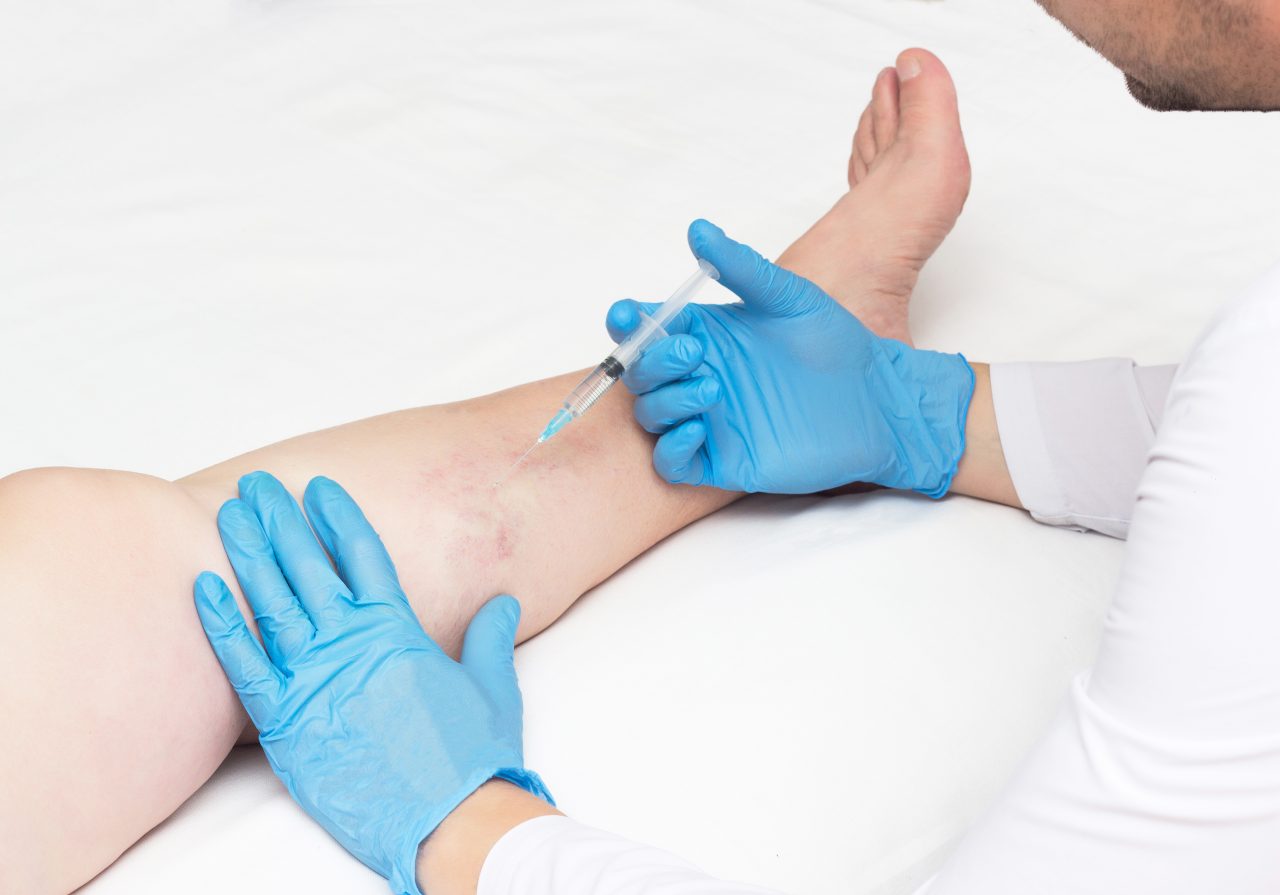
Varicose veins occur when veins become enlarged, twisted, or weakened, often resulting in swelling, heaviness, and visible veins on the legs. Treatments range from minimally invasive procedures like sclerotherapy, endovenous laser therapy (EVLT), and radiofrequency ablation, to surgical interventions in severe cases. While cosmetic procedures may not qualify for insurance coverage, medically necessary treatments are often partially or fully covered.
Are Varicose Vein Treatments Covered by Insurance?
A common question we hear at Vein Treatment California is: “Are varicose vein treatments covered by insurance?” The answer depends on whether your vein condition is deemed medically necessary. Insurance companies generally cover treatments if the patient experiences symptoms such as pain, swelling, skin changes, ulcers, or blood clots. Cosmetic concerns, such as veins appearing unsightly without any discomfort, are typically not covered.
To determine coverage, insurance providers usually require:
-
Medical Documentation: Records showing the severity of your vein condition and any symptoms affecting your daily life.
-
Imaging Tests: Procedures like duplex ultrasound to demonstrate reflux or abnormal blood flow in veins.
-
Physician Recommendation: A detailed plan from a vein specialist stating why treatment is medically necessary.
By meeting these requirements, patients increase the likelihood that their insurance will cover procedures like EVLT, sclerotherapy, or vein ligation.
How Insurance Coverage Works in California
Insurance coverage for vein treatments in California varies by provider and policy. Typically, patients are responsible for co-pays, deductibles, or co-insurance. At Vein Treatment California, our team works closely with insurance companies to streamline the pre-authorization process, ensuring that patients understand their financial responsibility before undergoing treatment.
It’s important to note that some policies may cover only certain types of vein treatments or limit the number of sessions per year. Additionally, coverage can differ between private insurance, Medicare, and Medi-Cal. Patients should always verify their specific policy details and discuss coverage options with both their insurance provider and our office.
Steps to Maximize Insurance Benefits
To get the most out of your insurance coverage for vein treatment, follow these steps:
-
Consult a Specialist Early: A vein specialist can evaluate your condition and recommend the most effective treatment.
-
Gather Medical Records: Document your symptoms, previous treatments, and any imaging results.
-
Request Pre-Authorization: Many insurers require prior approval before treatment.
-
Confirm Coverage Details: Check which procedures and sessions are covered, and understand your out-of-pocket costs.
-
Follow Up: Keep detailed records and receipts for insurance claims to avoid unexpected expenses.
Choosing Vein Treatment California
At Vein Treatment California, we specialize in helping patients navigate insurance coverage while providing safe, effective treatments for varicose veins and other venous conditions. Our experienced team ensures that every patient receives personalized care, from initial consultation to post-treatment follow-up. Whether your treatment is covered by insurance or paid out-of-pocket, we strive to make the process as smooth and stress-free as possible.


Comments
Post a Comment